Credit: Kroger, Hy-Vee, UNFI
Private label is having a real moment and it’s not because people suddenly love “generic.” In 2025, store-brand dollar sales grew 3.3% while national brands grew 1.3%, and private label added $9B+ to hit $282.8B. The part that matters even more: units. Store-brand units were up 0.6% while national brands were down 0.6%. So it is fair to say shoppers choose store brands on purpose.
And grocers aren’t being subtle about it. They’re building private labels like real brands, finally.
Some of the latest launches include:
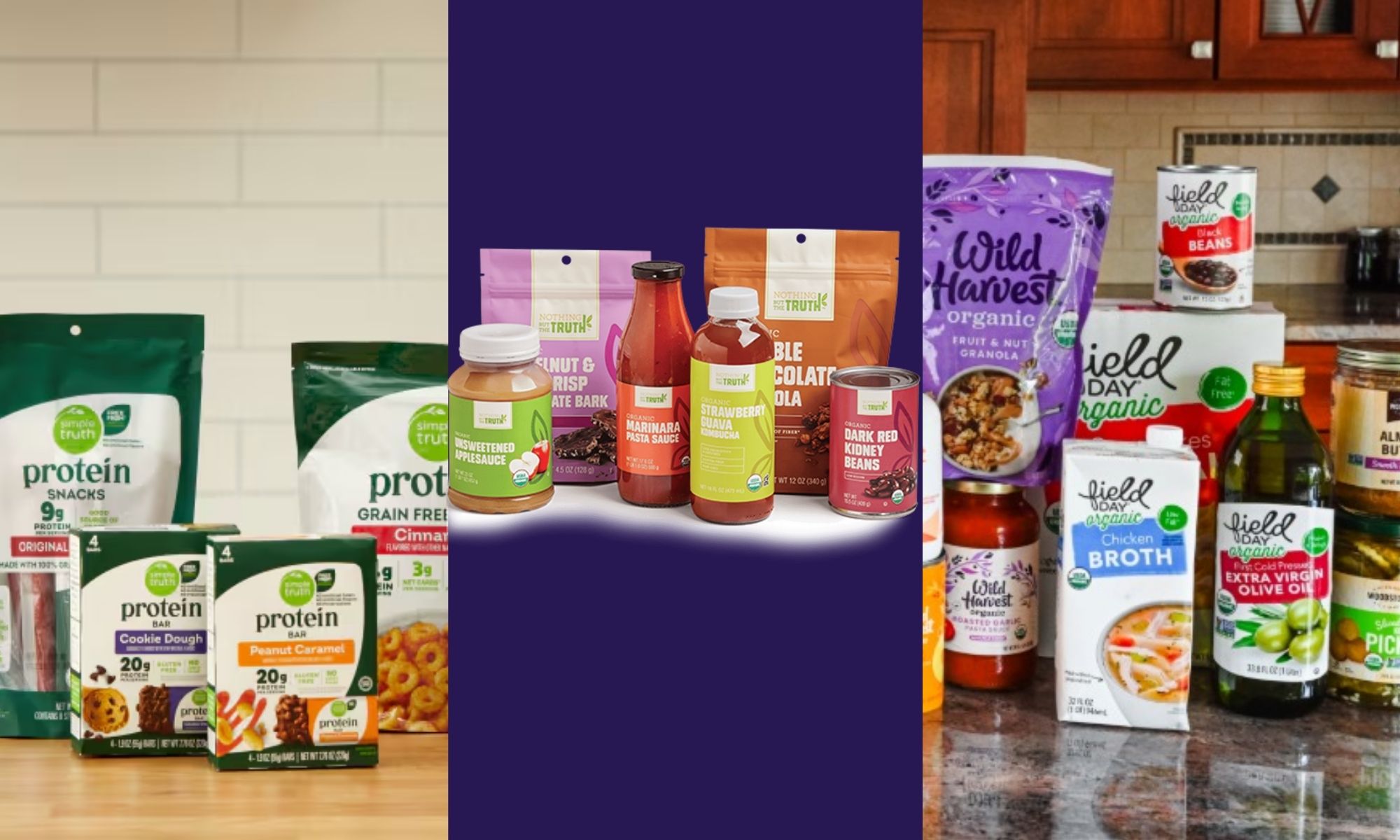
Kroger: expanded Simple Truth with 24 new protein-focused items (and they’re now at 110+ products).
UNFI: rolling out 50 new products through spring/summer 2026, explicitly tied to “emerging shopper preferences”, like high protein, high fiber, healthy fats, zero sugar, fermented ingredients, and functional-ish beverages.
Hy-Vee: Their “Nothing But The Truth” line is basically saying: this is wellness-led private label built with dietitians, clean-label standards, and a long “we don’t use this stuff” list (150+ ingredients).
Zoom out and it gets even more obvious: private label in the US is still only around one-in-five items sold, while Europe is way ahead (UK ~49.5%, Switzerland 47.2%, Netherlands 43.5%). So if you’re wondering whether this is close to peaking… probably not.
If you’re a premium CPG brand, the uncomfortable truth is “better-for-you” used to be your moat. Now retailers can match the claims, price it sharper, and give it the best shelf placement. The bar has moved. If you don’t have real product superiority, real brand heat, or a channel edge, you’re going to feel that squeeze.
Hain Celestial is officially stepping away from its North American Snacks Business
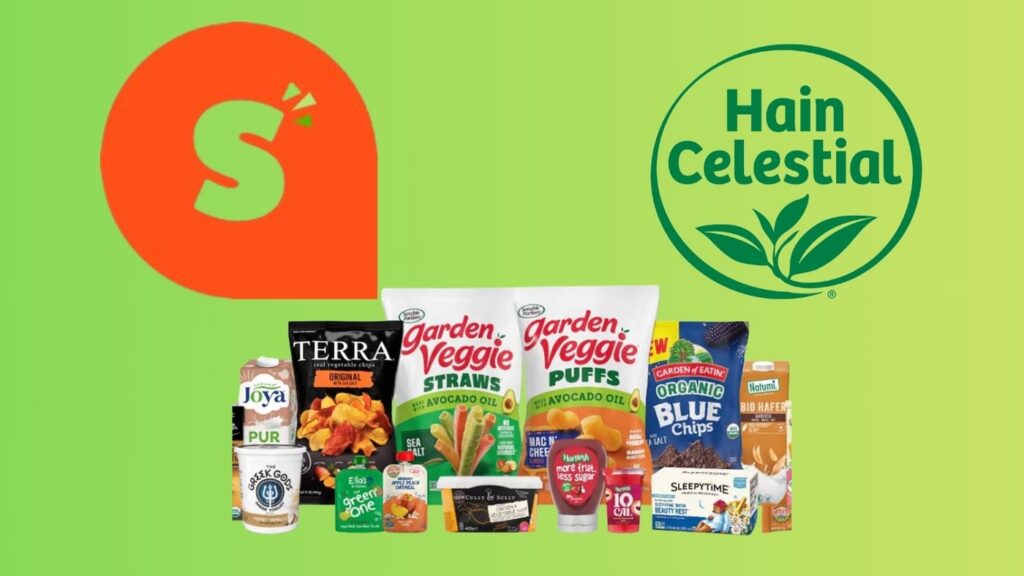
Hain Celestial is officially stepping away from its North American snacks business, selling the unit — which includes Garden Veggie Snacks, Terra chips, and Garden of Eatin’ — to Canadian snacks manufacturer Snackruptors for $115 million.
The deal is expected to close by the end of the month, and it’s a pretty clear signal that Hain is moving into a tighter, more focused chapter in North America.
On a personal note, I had the privilege of meeting Rick Tabardo, the CEO of Snackruptors, a few months ago through a project, and he’s exactly the kind of operator who understands how to build brands with real momentum, so seeing Snackruptors make this move immediately stood out to me.
For Hain, the sale simplifies the portfolio and shifts attention toward categories and markets with stronger margins and healthier cash flow, with the company keeping Celestial Seasonings teas, Greek Gods yogurt, Spectrum Organic culinary oils, and Earth’s Best Organic baby and kids foods. CEO Alison Lewis, who took the role permanently in December, has been direct about what comes next: stepping away from unprofitable or low-margin SKUs and exiting businesses where Hain is “structurally disadvantaged” or doesn’t have a “right to win.” That framing matters, because Hain was built through dozens of acquisitions during an era of growth-at-all-costs, leaving it with a scattered set of brands across nearly 40 categories and a portfolio that never fully cohered.
Even though the company plays in on-trend “better-for-you” spaces like gluten-free, high protein, GLP-1 friendly, and free-from, competition has intensified as giants like General Mills and Nestlé push deeper into the same lanes, and Hain has also been squeezed by inflation, economic uncertainty, and margin pressure. They did try to revive snacks with more marketing, new channels like convenience, and innovation – including a healthier tortilla chip under Garden Veggie – but the headwinds were too strong and the efforts came too late, so selling became the most attractive option.
Hain estimates the North American snacks portfolio accounted for 22% of its $1.6 billion in net sales in fiscal 2025, so this is a reset that should help lower debt, improve margins, and refocus the business around sustainable profitability.
This deal feels like Hain acknowledging a hard truth: you win by doubling down on what you can actually run profitably in 2026.
That’s it for this week.
If you’re building something in CPG and need the right supplier or co-manufacturer to make it happen, Chapter Foods can help. We match brands, brokers, distributors and retailers with partners who are ready to move.
And if you’re a manufacturer looking to unlock new business or source higher-quality ingredients, we’re your direct line to the right buyers and better suppliers.
Can Koyuncu, Co-Founder & CMO