Credit: KILLER Bar
Do Not Eat This Bar
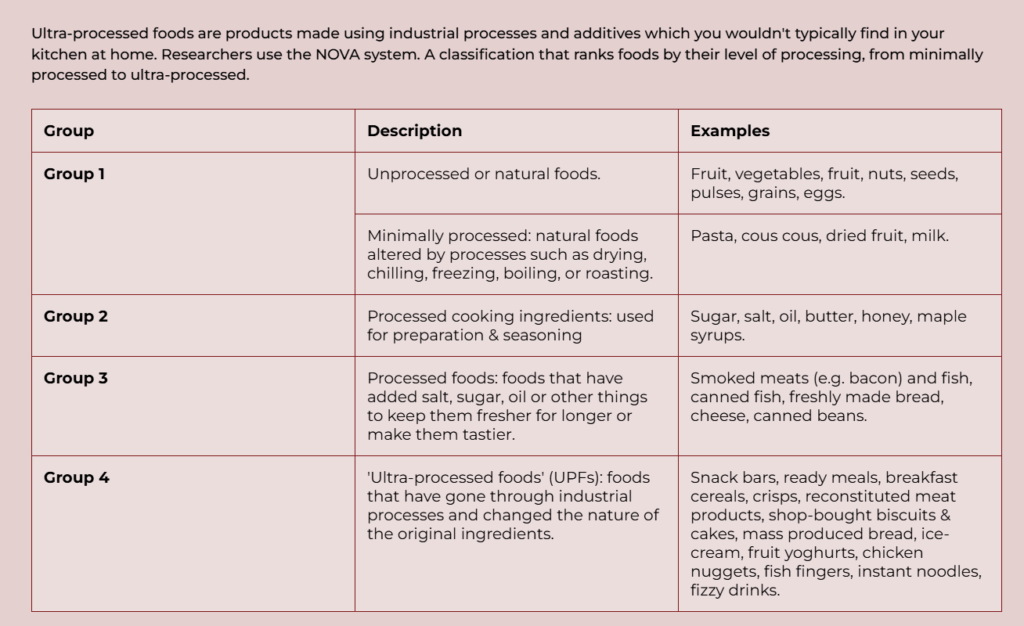
Ultra-processed foods (UPFs) have been the year’s favorite punching bag. Everyone wants their own definition. Some say, “If you can’t pronounce it, don’t eat it.” That’s how we end up demonizing riboflavin, which is a type of B vitamin.
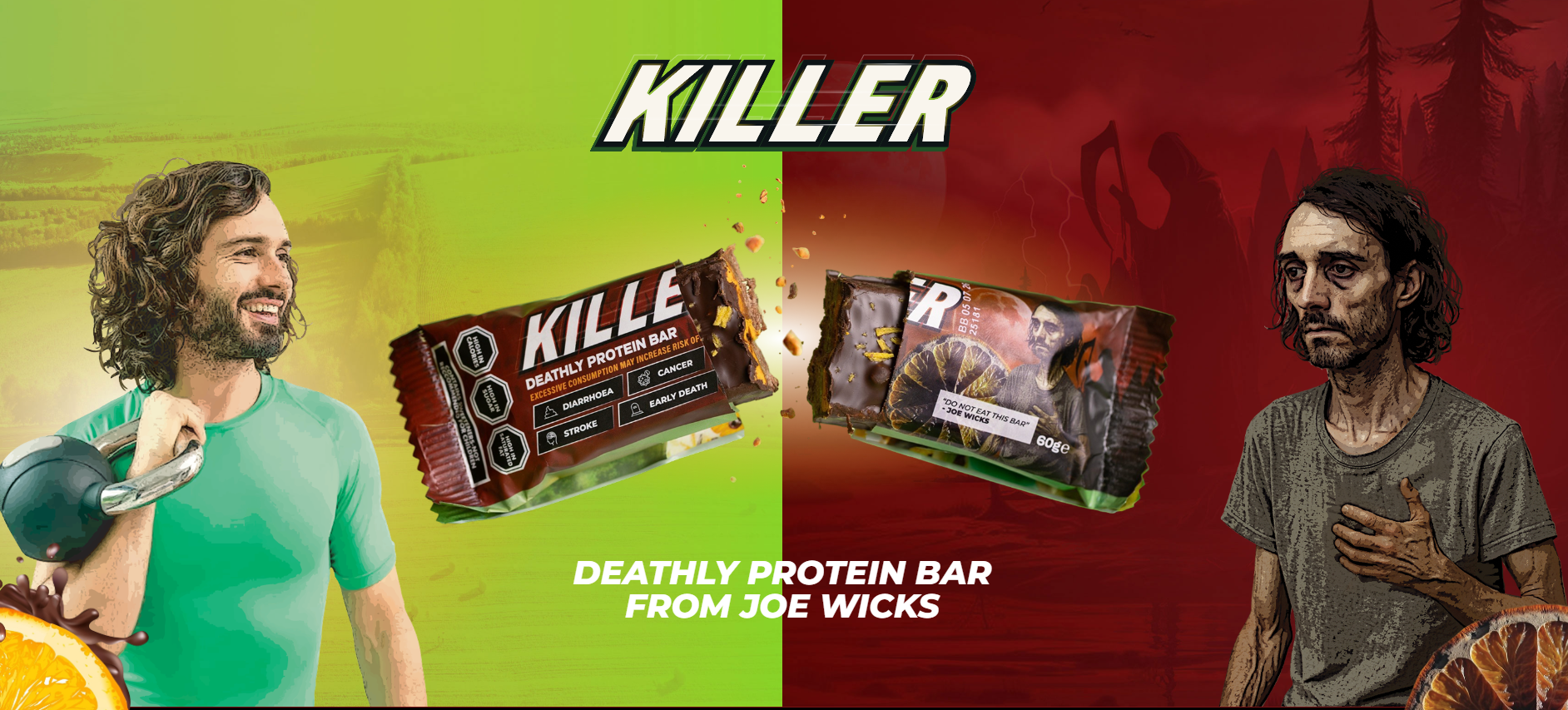
Into that noise, British fitness influencer Joe Wicks walks with the KILLER Bar: a product he wants you to buy but not to eat. The bar is the medium and he wants you to think about what goes into these products.
He’s right about the backdrop: UPFs make up the bulk of what people eat in the UK (and, realistically, most places). Poor diet correlates with all the bad outcomes like premature deaths, child obesity and cognitive drag.
Credit: KILLER Bar
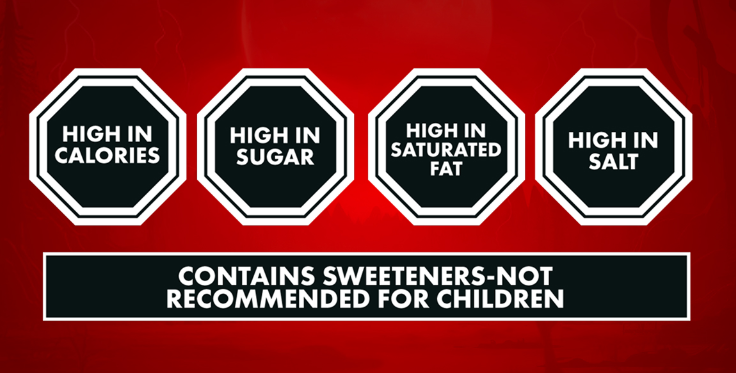
His proposed fix according to the website starts with front-of-pack warning labels, the kind Mexico, Argentina, and Peru use.
In those countries, even though regulations may vary, they use black octagonal warning labels to openly identify products with high saturated fat, sugar, salt and calories. Some also warn about sweeteners specifically calling out that they are not recommended for children. Chile’s policy goes even further: products with “high in” warning labels cannot carry health or nutrient claims related to that nutrient (or calorie content) and are banned from using child-directed marketing strategies, such as mascots or cartoon characters.
Credit: KILLER Bar
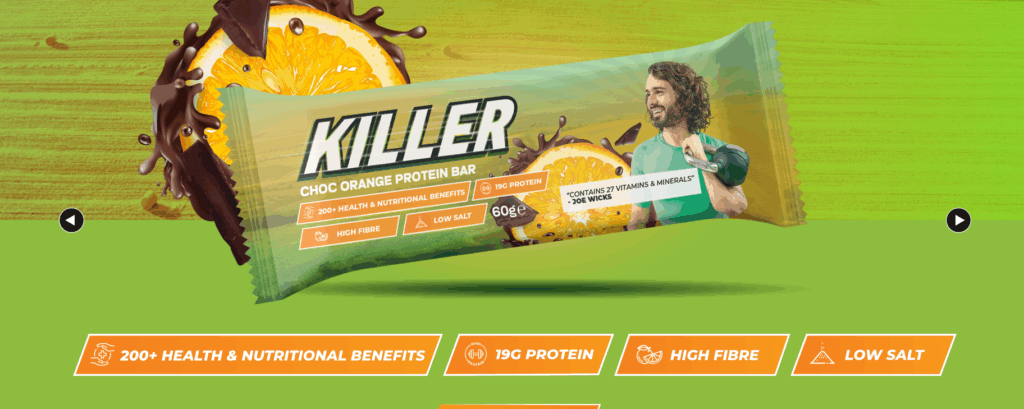
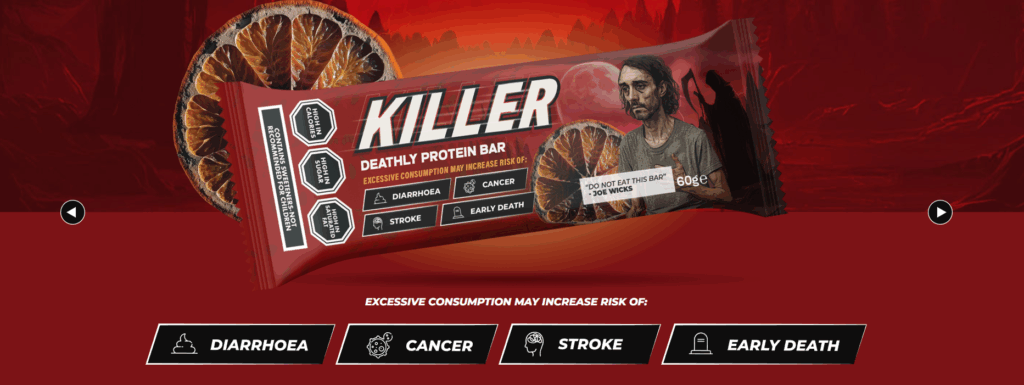
The KILLER Bar is intentionally stuffed with additives, the way too many UPFs or in this case, protein bars are. They’ve maxed out the ingredient deck to make a point: all of this is perfectly legal. The difference is they put the risk on the front, cigarette-style. UPFs won’t drop you in a day; they work slowly, and the bill comes later. I ran my own experiment once: I swapped real sugar for sucralose and inulin across the board for a while. Within a month I had constant gas and stomach pain. I kept the experiment going for two to three months. But it took four more to get my gut back to a healthy state.
With this product and campaign, he’s trying to push change. He wants people to demand stronger rules on UPFs, starting with front-of-pack warning labels. He wants shoppers to read labels and choose foods with fewer, simpler ingredients. And he isn’t telling anyone to cut UPFs entirely; he’s asking the industry to be honest about risk. I’m aligned with that.
Credit: KILLER Bar
Where it stumbles is the interface. The website explains the mission: awareness, moderation, better regulation. The social posts don’t. They read like demonization with a dash of ragebait. Most people won’t click through; they’ll judge the campaign from the reels. He has 4.8 million followers on his personal Instagram, but the KILLER account has under 2,000, and he hasn’t even tagged it from the main page.
If the goal is policy and behavior change, we should put the explainer where the eyeballs are. Keep the warnings, but pair them with the “what to do instead” in the caption. Make the link explicit. That’s how the mission travels.
I hope he changes this approach, so his real mission can work. I am here for better products. That’s what we are set out to do at Chapter Foods too.
That’s it for this week.
If you’re building something in CPG and need the right supplier or co-manufacturer to make it happen, Chapter Foods can help. We match brands, brokers, distributors and retailers with partners who are ready to move.
And if you’re a manufacturer looking to unlock new business or source higher-quality ingredients, we’re your direct line to the right buyers and better suppliers.
Can Koyuncu, Co-Founder & CMO