This week, we’re looking at two quiet-but-critical gaps in food: the one between what people say and what they actually buy and the one between what food and beverage manufacturers could do and what they’re resourced to do.
One is about behavior. The other is about infrastructure. But both come down to the same thing: where change stalls, and what it takes to move it forward.
Let’s dive in.
Credit: ChatGPT
The Say-Do Gap is Real–But so is the Shift
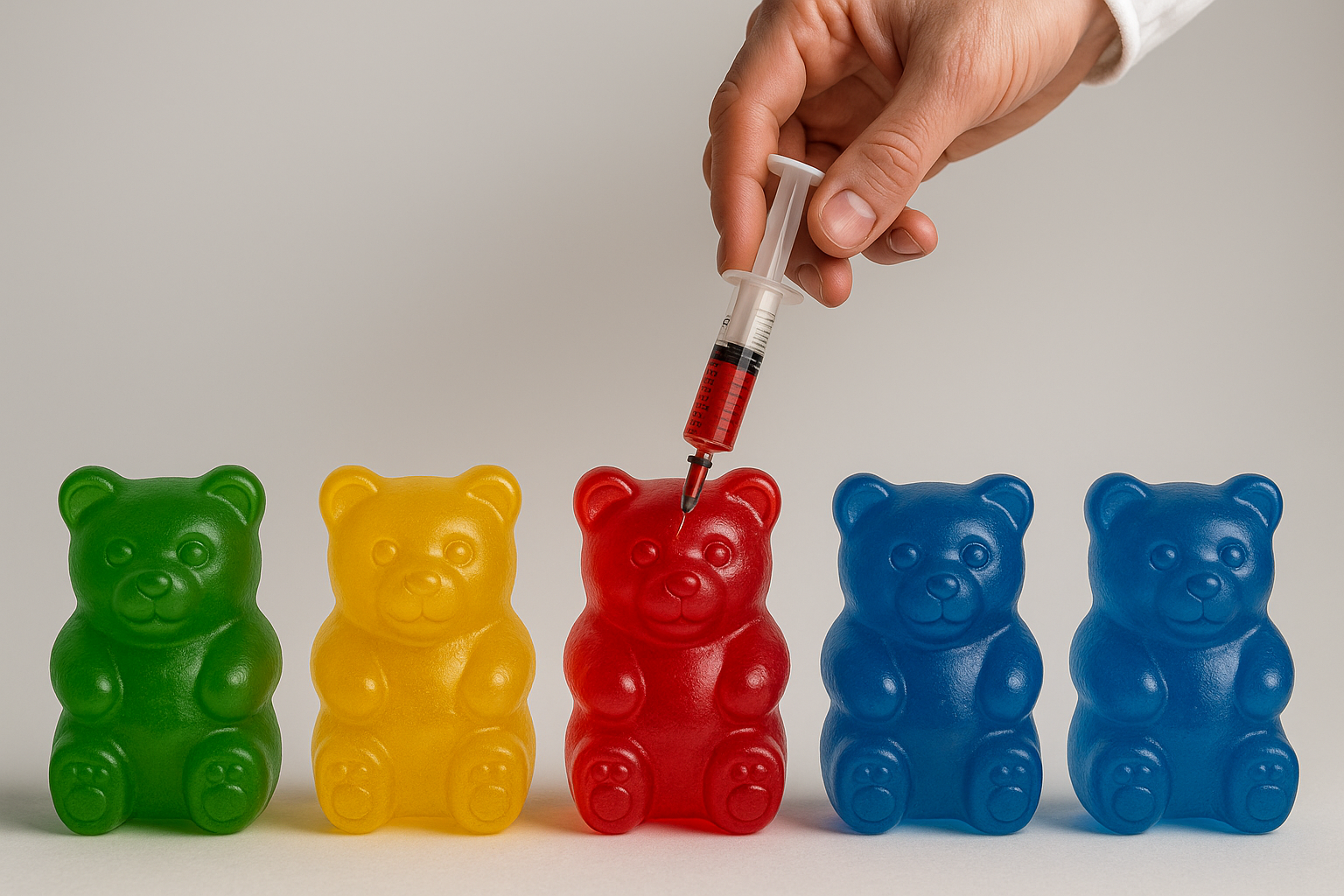
We’ve all seen the headlines: Artificial dyes banned in various states, BigCo going dye-free, and more brands leaning into “clean” like it’s the new gold rush. But for all the headlines, most people still aren’t checking what’s in their food. I did the same thing with watermelon Monster for a while–thought the color came from something natural. It didn’t. Just looked good and tasted good, so I didn’t question it (it’s one of my fridge cigs).
Only about a third of U.S. adults say they’re trying to cut out artificial colors. Fewer still avoid processed foods altogether. That’s from Brightfield Group’s latest wellness report, and it confirms what a lot of us already know. Old habits die hard.
But don’t mistake that for apathy. Interest is rising fast. Conversations around synthetic dyes and ultra-processed foods have exploded up to 58% and 170% over the past year.
This is what we talk about when we say there’s a gap between what people say and what they do. But that gap might be the very reason to act. It’s on the people making the food (us, service providers included) to meet that curiosity with real options. Not cleaner-sounding labels. Actual change.
Credit: Canva
Can MIT’s Big Fix Reach the Factories that Need it Most?
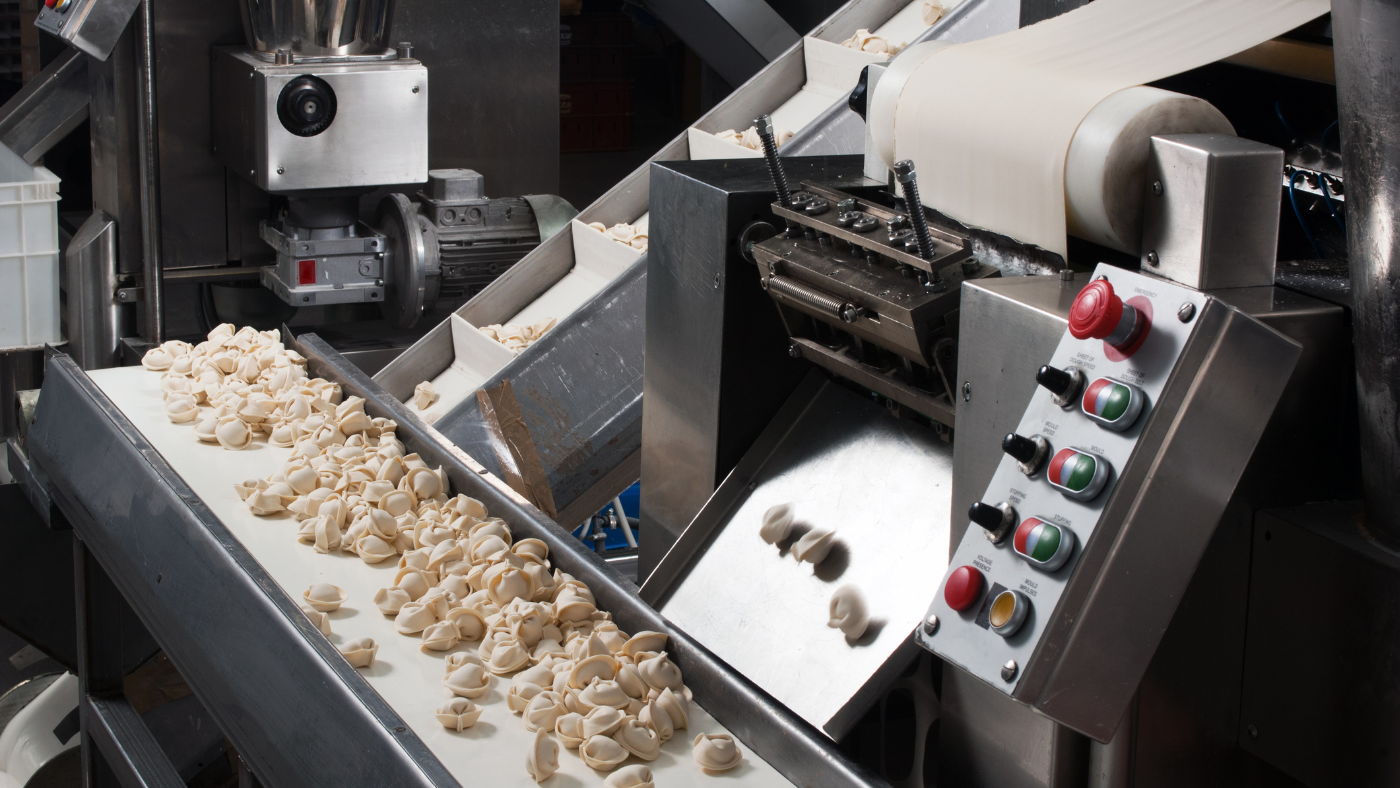
MIT is sounding the alarm: U.S. manufacturing is in bad shape. And while that’s true, it’s not just an American problem. A lot of small to mid-sized manufacturers around the world are feeling the same squeeze: aging equipment, thin margins, a constant race to keep up without the capital to actually leap forward.
MIT’s new initiative, backed by Siemens, GE Vernova, and others, aims to change that. The focus is on AI, automation, and workforce training–but not just for the big guys. The idea is to support the factories that don’t have a dedicated innovation team or spare budget for new machines. The ones that are still doing solid work but can’t always afford to evolve.
If that vision holds, it could be huge, especially for food and beverage manufacturers. There’s so much room to improve how things are made: more efficient lines, better traceability, less waste. We’d love to see this kind of support trickle down to the manufacturers we work with.
It’s an ambitious vision. One that could unlock a lot of potential. But the real test will be in the execution. If this initiative can stay focused on the small and stuck and not just the shiny and scaled, it could actually move the needle.
That’s it for this week.
If you’re building something in CPG and need the right supplier or co-manufacturer to make it happen, Chapter Foods can help. We match brands and retailers with partners who are ready to move.
And if you’re a manufacturer looking to unlock new business or source higher-quality ingredients, we’re a direct line to the right buyers and better supply.
Can Koyuncu, Co-Founder & CMO