This week, we’re talking vertical control, viral snacks, and billion-dollar recalibrations.
From Kraft Heinz reshoring production to a $725M protein bar brand pulling the plug on its ingredient supply chain, the balance of power in food and beverage is shifting. Ownership of infrastructure, IP, and even attention is emerging as the new edge.
Meanwhile, TikTok’s latest food fixation? Cheese paired with gummies. It’s weird. And it says more than it seems about how fast internet curiosity turns into culture.
Plus, in this week’s podcast pick: Wes Kao on the communication frameworks that actually move people.
Let’s get into it.
Credit: David Protein
A Vertical Gatekeeping
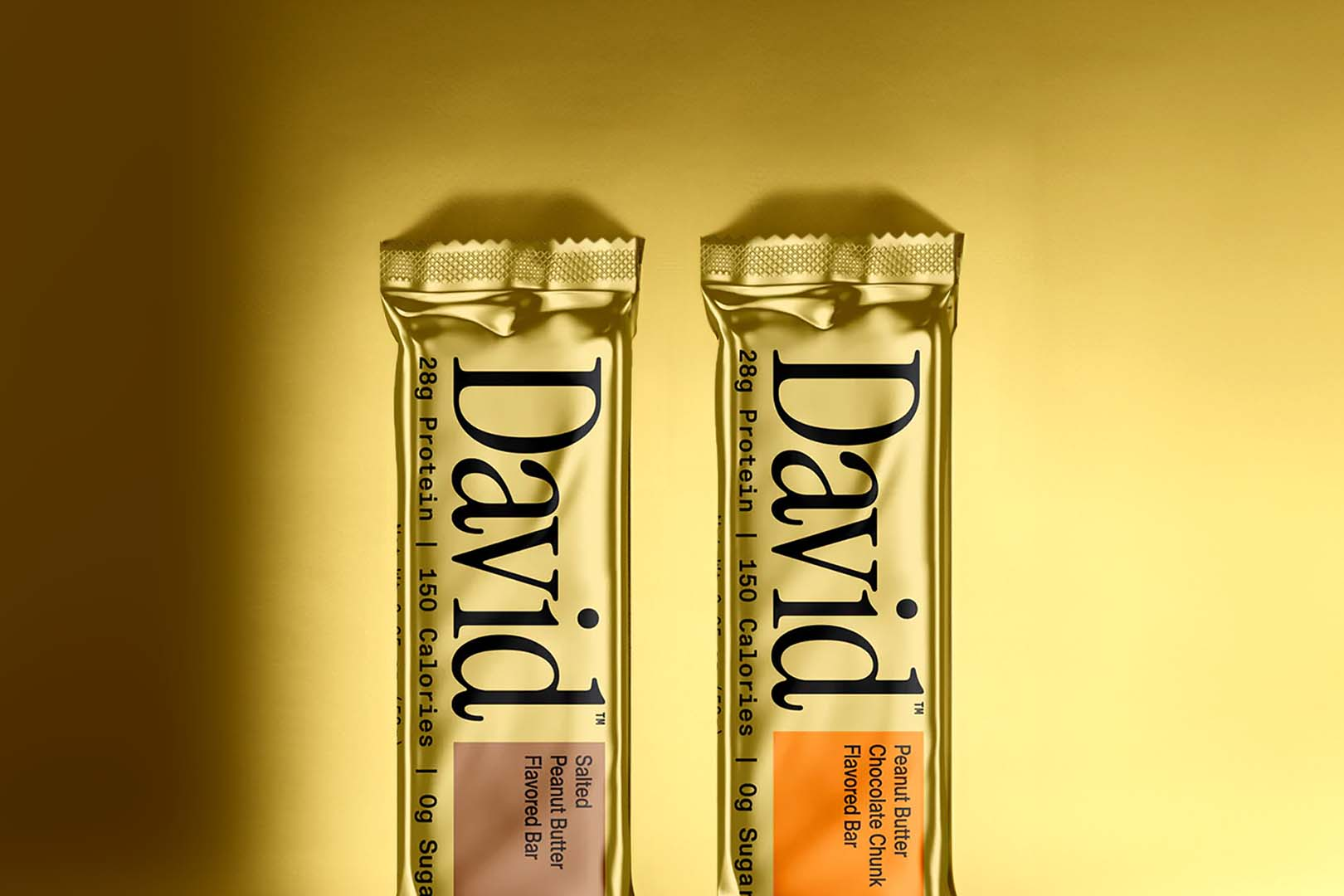
David just closed a $75 million Series A, bringing the brand’s valuation to a staggering $725 million less than a year after launch.
David is now the sole owner of Epogee, the ingredient tech company behind EPG, the plant-based fat alternative that slashes calories without sacrificing texture.
But the thing is, they are cutting off the tap. No more EPG for anyone else. That means brands like Nick’s, Gatsby, Own Your Hunger, and Sweet Nothings – all of whom built SKUs around this ingredient – are suddenly in limbo.
It’s a rare play in modern CPG: vertical gatekeeping.
Rahal, who once rode the clean-label wave with RXBAR, is now going in the opposite direction. David doesn’t try to look natural. It aims to optimize, to reengineer the food system, starting with macros. The bars are high-protein (28g), low-calorie (150), zero-sugar, and unapologetically synthetic in function.
The acquisition signals something bigger than a supply chain win. It’s a bet that proprietary ingredient platforms can be the foundation of breakout brands, not just the brands themselves.
In a category obsessed with storytelling and minimalism, David is taking a page from tech: own the infrastructure, lock in the moat, scale fast.
And for the rest of the market? A quiet but brutal reminder: if someone else controls your hero ingredient, it’s not really yours.
Credit: @cheezytalkwithmadelyn on TikTok
Cheese & Gummies and the Algorithm That Ate Culture
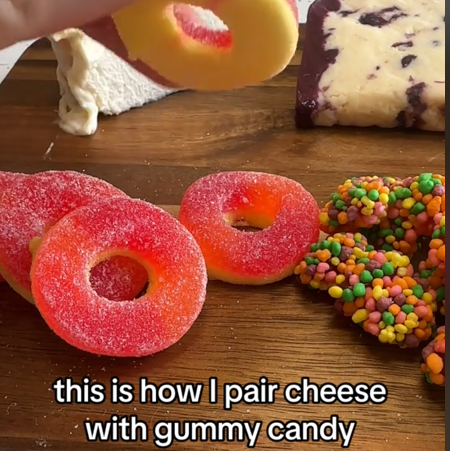
TikTok has a new obsession: pairing cheese with gummies. Brie and peach rings. Manchego and sour worms. What started as a late-night snack experiment is quickly turning into a certified “thing.”
It’s playful, surprising, and maybe tasty. But it also hints at something bigger (and slightly unsettling): how a single person’s curiosity can spiral into culture overnight.
We’ve seen this before. Tide Pods started as a joke. Then someone actually ate one.
The gummy-and-cheese moment is mostly harmless. But it’s a reminder of how quickly food trends bypass the usual checks: no product testing, no nutritional lens, no context.
I’m not against it. A gummy-and-cheese trail mix? Stranger ideas have landed on shelves.
But not every viral bite needs to become a SKU. Some things are best left in the 1 a.m. fridge light: spontaneous, strange, and never repeated.
Credit: Kraft Heinz
Kraft Heinz Bets Big on U.S. Manufacturing
Kraft Heinz is putting $3 billion into its U.S. production network, which is the company’s largest domestic manufacturing investment in decades. The plan includes modernizing facilities, expanding automation, and hiring up to 3,500 new workers, with a $400 million distribution center in DeKalb, Illinois, already underway.
There’s more behind this than just operational upgrades. With tariff threats once again reshaping global supply logic, investing locally is also a hedge. As Kraft Heinz’s North America president Pedro Navio told, trade uncertainty was very much part of the equation.
This move arrives as the company works to reverse slowing sales and consumer pullback. Amid inflation pressure, Kraft Heinz is expanding its product playbook, adding new SKUs like Lunchables PB&J to take on Uncrustables, and betting on foodservice channels like condiment dispensers to drive growth outside of retail.
Podcast of the Week: Becoma a Better Communicator by Lenny’s Podcast
Most people think they’re decent communicators until their ideas keep getting ignored, watered down, or misunderstood. This episode with Wes Kao is a wake-up call.
She breaks down tactical frameworks like MOO (Most Obvious Objection), “sales, then logistics,” and the kind of concise, high-density writing that makes people pay attention.
If you’ve ever left a meeting wondering why your point didn’t stick, this one’s worth a listen.
That’s it for this week.
If you’re looking for the right co-manufacturer or supplier to help you build what’s next, Chapter Foods is here. We connect brands and retailers with the right partners: fast, reliable, and ready.
Note: We now serve in beauty and supplement categories as well.
Can Koyuncu, Co-Founder & CMO