Starting this week, we’ll be adding a small update section to our weekly newsletters, just a way to share what we’ve been building behind the scenes.
It’s officially been 100 days since launch, and our manufacturing network has been growing steadily.
We’re now working with 70+ manufacturing partners across 20+ categories — spanning food, beverage, supplement, and even beauty — in the U.S., Turkey, China, Japan, Indonesia, Thailand, and Malaysia.
Over the past week alone, we’ve received a wave of new submissions for seasonal candies and chocolates, functional shots, RTD and powdered beverages, dried fruits, bakery products, fruit leathers and freeze-dried confections. We never imagined demand would pick up this fast.
Thank you for trusting us so early. It means a lot to be seen as an emerging go-to partner for CPG manufacturing.
And a special thanks to our co-manufacturer partners who’ve joined the network and are already sharing their capabilities with us and brands around the world. We’re building this together and growing side by side.
A quick stat: the total value of projects submitted since launch has now crossed $75M — which still feels surreal to say.
Lastly, we’ve just kicked off our first-ever newsletter ad campaign (a small one!) with CPG Wire. Big thanks to Robbie for giving us the space to share what we’re building.
Credit: Canva
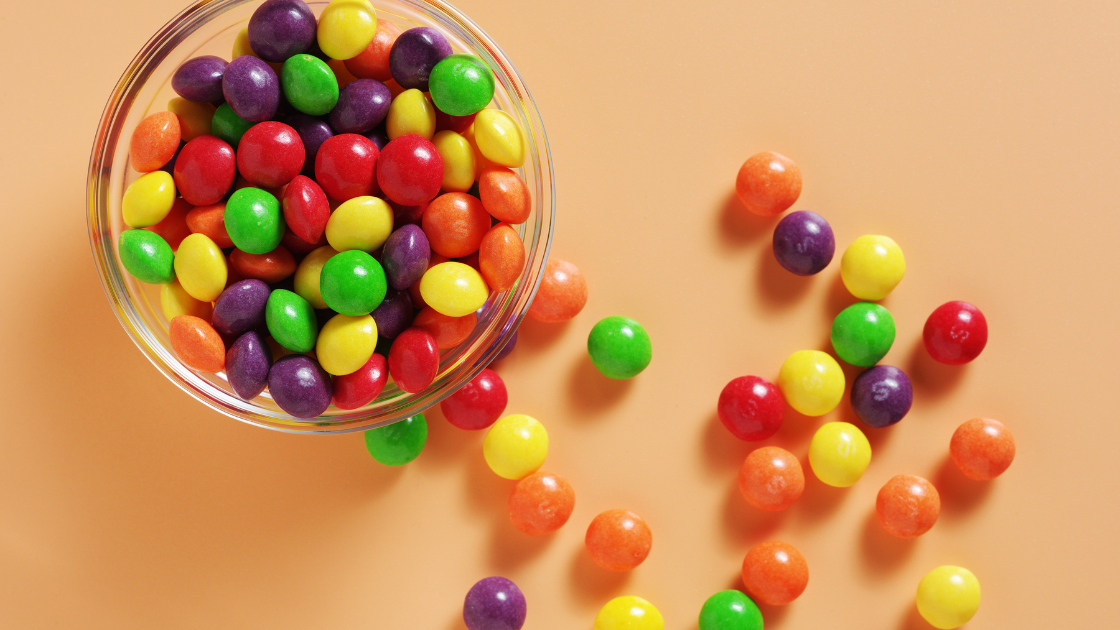
Ingredient Suppliers’ Big Win and the Future of Food Coloring
The food and beverage industry is rapidly reformulating products in response to growing consumer preference and recent regulatory pressures. Health and Human Services Secretary Robert F. Kennedy Jr.’s call to eliminate artificial dyes by 2027 has notably increased urgency.
Major ingredient suppliers, including ADM, Ingredion, and McCormick, have reported significant boosts in demand for natural and clean-label ingredients. ADM saw a 13% revenue increase in its nutrition segment, driven largely by demand for natural colors, while Ingredion’s clean-label solutions business reported a 34% growth in operating income.
PepsiCo and Tyson Foods also are among the big industry players actively working to phase out petroleum-based artificial colors, signaling a broader move toward natural ingredient profiles.
But moving away from artificial dyes is only the beginning.
Developers are leaning into new technologies that offer sharper control over how products look, feel, and are perceived. Digital twin tools can now simulate how a product’s color will impact consumer response before a single unit is produced. AR is helping brands preview packaging finishes or coating colors under real-world lighting, reducing guesswork and redesign cycles.
In the lab, color innovation is accelerating. Precision fermentation and biosynthesis are making it possible to produce natural pigments like carotenoids or anthocyanins at scale with consistency and cleaner regulatory paths.
Even color decisions themselves are evolving. AI-driven tools are starting to pull insights from social media trends, mood analytics, and regional preferences to guide what shades show up on shelves.
Podcast of the Week: AI Agents Emergency Debate by DOAC
This week’s podcast pick is a sharp one: AI Agents: Emergency Debate from The Diary of a CEO.
Amjad Masad, Daniel Priestley, and Bret Weinstein dive into what AI means for jobs, creativity, and the future of work. Bret’s take stood out most: he frames AI as a kind of evolutionary shift we’re not ready for. Something developing faster than we’re built to handle.
They cover everything from how AI agents are already replacing roles, to what skills might actually matter in five years.
It’s not doomsday, but it is a strong case for paying attention.
That’s it for this week.
If you’re looking for the right co-manufacturer or supplier to help you build what’s next, Chapter Foods is here. We connect brands and retailers with the right partners: fast, reliable, and ready.
Can Koyuncu, Co-Founder & CMO