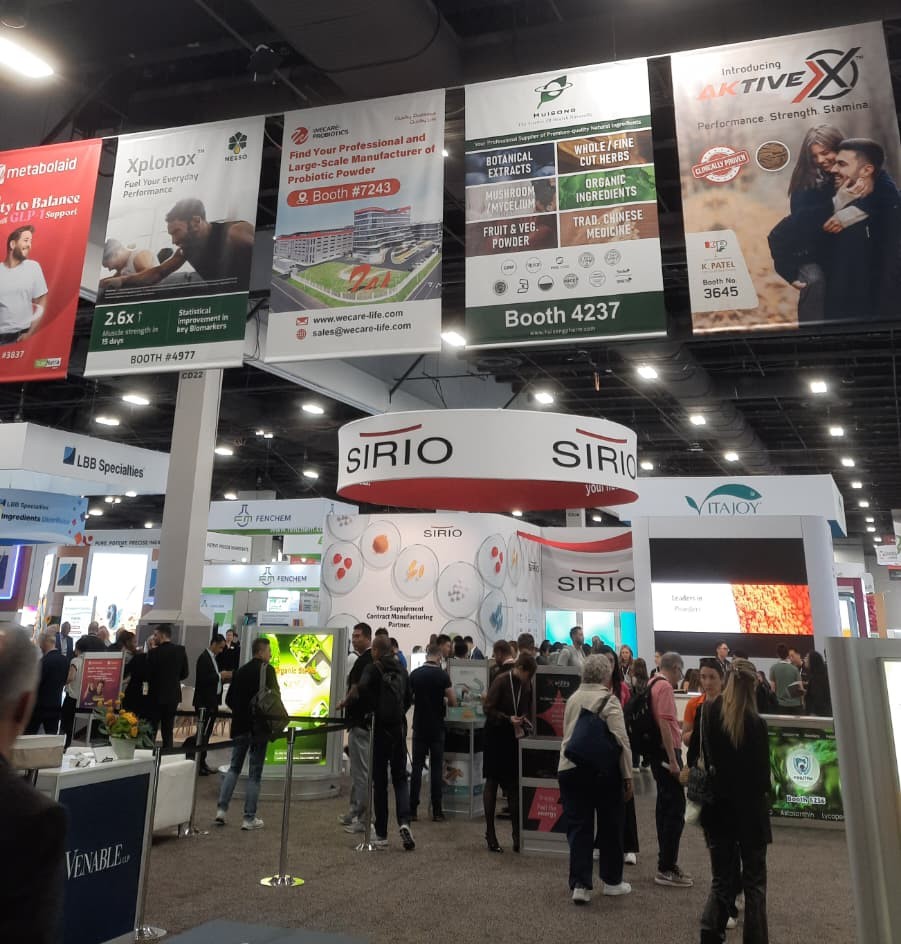
SupplySide Global delivered two things we needed: clarity in the classrooms, confirmation on the floor.
I’ve gathered some of my session and floor notes for our newsletter.
First Two Days
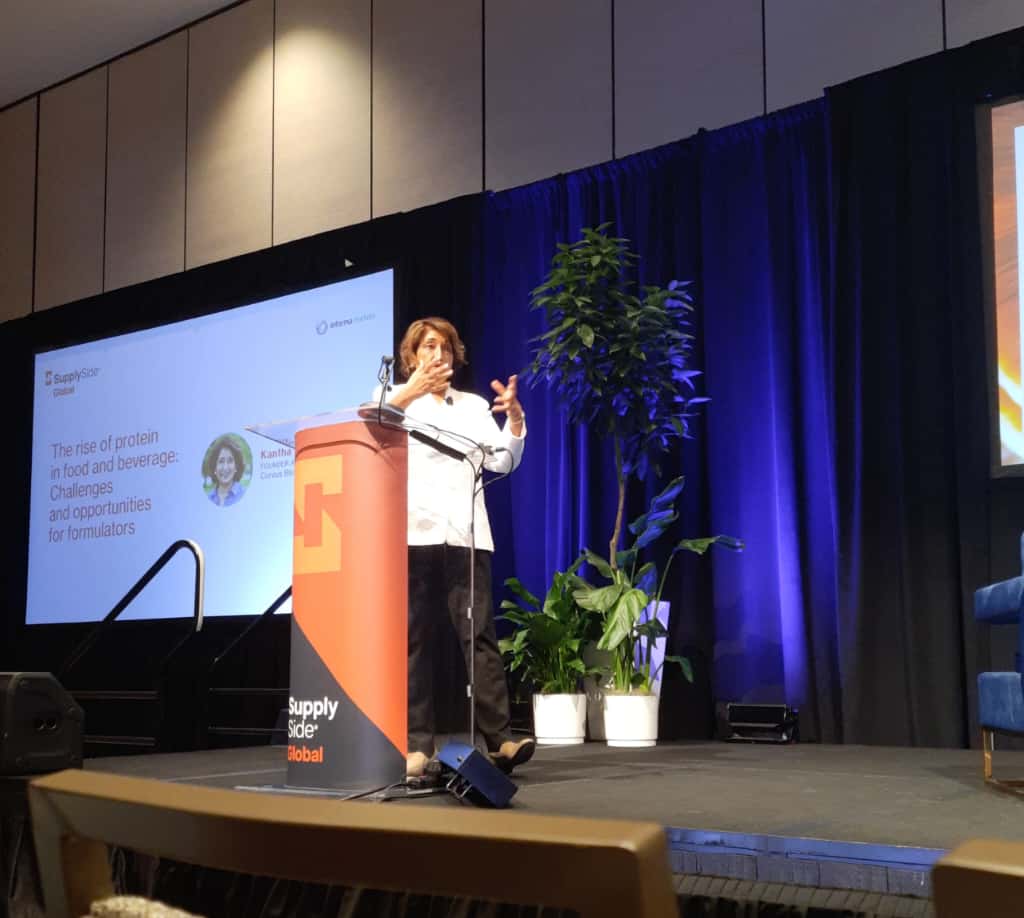
The Rise of Protein in Food and Beverage: Challenges and Opportunities for Formulators
Protein is now a behavior to design. The audience data was blunt: people are actively re-shaping diets: less sugar and carbs, more protein and fiber, and they say they’re eating differently than two years ago. Wellness is now a top spending priority, and protein sits at the center of that shift according to Glanbia Nutritionals.
Once a consumer “starts with a bar,” they don’t stop; they stack across occasions: bar, RTD, RTM, sweet snack, water, cereal–up to six categories.
Motivation is fragmented by need state. People reach for protein for energy and stamina, weight management, immunity, healthy aging and brain health. That pushes us to build by occasion (the 3 p.m. focus drink, the morning satiety pair, the peri/meno-friendly format) instead of chasing a single headline claim. And the products showcased at the expo floor was the proof of that.
Plant protein is growing up. The launch data says blends and “new” plants are scaling: soy protein crisps and fava are surging; flaxseed is on the board; mixed systems (oat/pea/fava; fava/yellow pea/sunflower/wheat) are moving from concept to application. Consumers keep asking for better taste, so blends win when they fix texture and off-notes without tanking nutrition.
But when you especially talk about the plant proteins, chemistry decides whether your protein “works.” Structure and processing change function; solubility is pH-dependent; extracted is not equal intact; and quality is about digestibility (PDCAAS/DIAAS) and not label math. Eggs and dairy based proteins remain bioavailability benchmarks; you design toward them with blends and process, you don’t replace them by decree. The “more grams = better product” shortcut is how you get chalk and gut complaints.
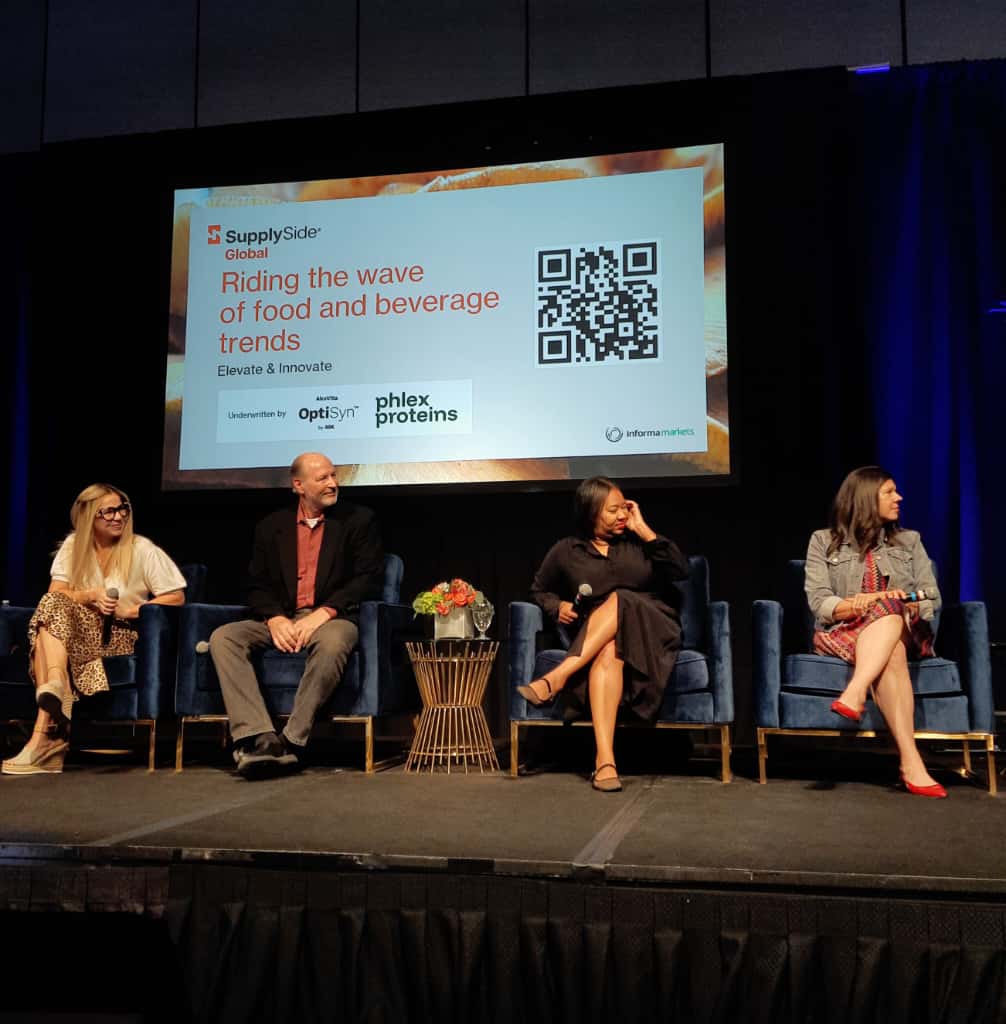
Riding the Wave of Food & Beverage Trends
Taste still runs the table. We love to consume food for its benefits, but the first gate is flavor, and consumers say it plainly: taste outranks everything else. Seventy-two percent name it the most important factor; price is second, convenience third.
Layer benefits only after you clear the palate. When shoppers are told a product also comes with a relevant health perk, most will consider it but only if it still tastes good or uses ingredients they can feel good about. Translation: function is a multiplier on top of pleasure, not a substitute.
Energy market is still the open to innovation. Half of beverage consumers aren’t satisfied with current options according to the Nextin Research. The wish list is consistent: fruit first, then B-vitamins, electrolytes, herbs, and magnesium.
What to do with “functional”? Start where the mouth starts. Digestive comfort, gut health, energy, sleep, these motivate trial, but only if the first sip is delightful and the after-feel is kind. That means total sensory (color, aroma, texture, finish) and ruthless restraint on chalk, bitterness, and grit. Then work backwards to the claim.
Execution notes that might move the needle:
- Hunt ideas where people complain: Reddit and Amazon reviews are focus groups in the wild. “I wish they had X flavor” is a roadmap.
- Bring procurement and packaging into day zero. Shelf life, line time, and unit economics are not post-hoc problems; they are the product.
- Trial unlocks adoption for global flavors–go single-serve first. The freezer aisle is the easier canvas for bolder profiles.
- Use QR for the overflow: ingredient philosophy, sourcing, and the “why” that doesn’t fit on pack.
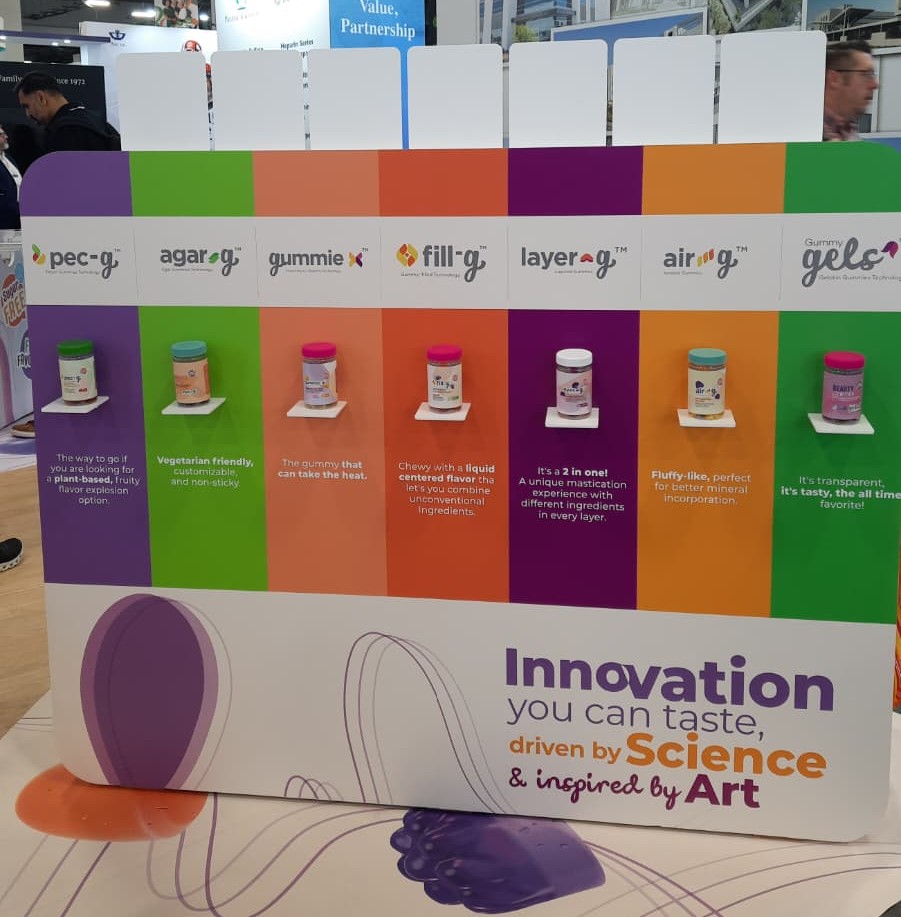
Probiotics + indulgence, fermentation for layered savory snacks, collagen in true-indulgent formats (ice cream still wide open), modern “chews” with adult flavor, and nutrient-forward salty snacks instead of hiding them only in dessert. If you must add protein to snacks, design for satiety without sand; pick proteins and maskers like a chef.
The meta-point: stop surfing “trends” and start engineering occasions. Taste earns the first purchase. Comfort earns the second. Everything else, benefits, buzzwords, even the flavor name, is just how you get invited into the cart again.
Colors & Flavors in Food and Beverage Face a New Challenge — and New Opportunities
This session made one thing clear: shoppers still buy with their tongues, then their wallets, and only then with their ideals. Most people will accept “artificial in moderation,” and over half say flavor matters more than a pristine label; nearly half say price does too.
Taste → cost → health. Build to that order or don’t ship.
At the same time, scrutiny is rising where it’s easiest to see: color and sweeteners. Artificial colors top the “avoid” list, even as many shoppers admit they’re overwhelmed and want clearer rules and simpler signals. Put differently: people want help, not homework. Labels and ingredient lists matter (especially to Gen Z and Millennials), and a growing slice of consumers wants tougher standards to make choices simpler.
Bright, stable color lifts perceived sweetness, flavor quality, and repeat intent, long before aroma or taste land. If you’re reformulating away from synthetics, it’s a two-year seed-to-shelf program with agricultural variability, pH/heat/light sensitivities, packaging interactions, sanitation changes, and shorter shelf life.
Regulatory and retail currents are already pushing the lane narrower: front-of-pack moves, evolving “healthy” definitions, sodium targets and a long list of big players publicly phasing out synthetics. Don’t wait for the memo; the shelf is moving with or without you. Also note the mood music: most consumers are uncomfortable with artificial colors, and several U.S. states are exploring restrictions.
So what does a sensible roadmap look like?
Build a color OS, not a color SKU: multi-source botanicals, scenario planning, dose-rate economics, and semi-finished inventory to start the shelf-life clock later.
Taste first, always. If color downgrades flavor perception, you lose the cart, no matter how clean the copy.
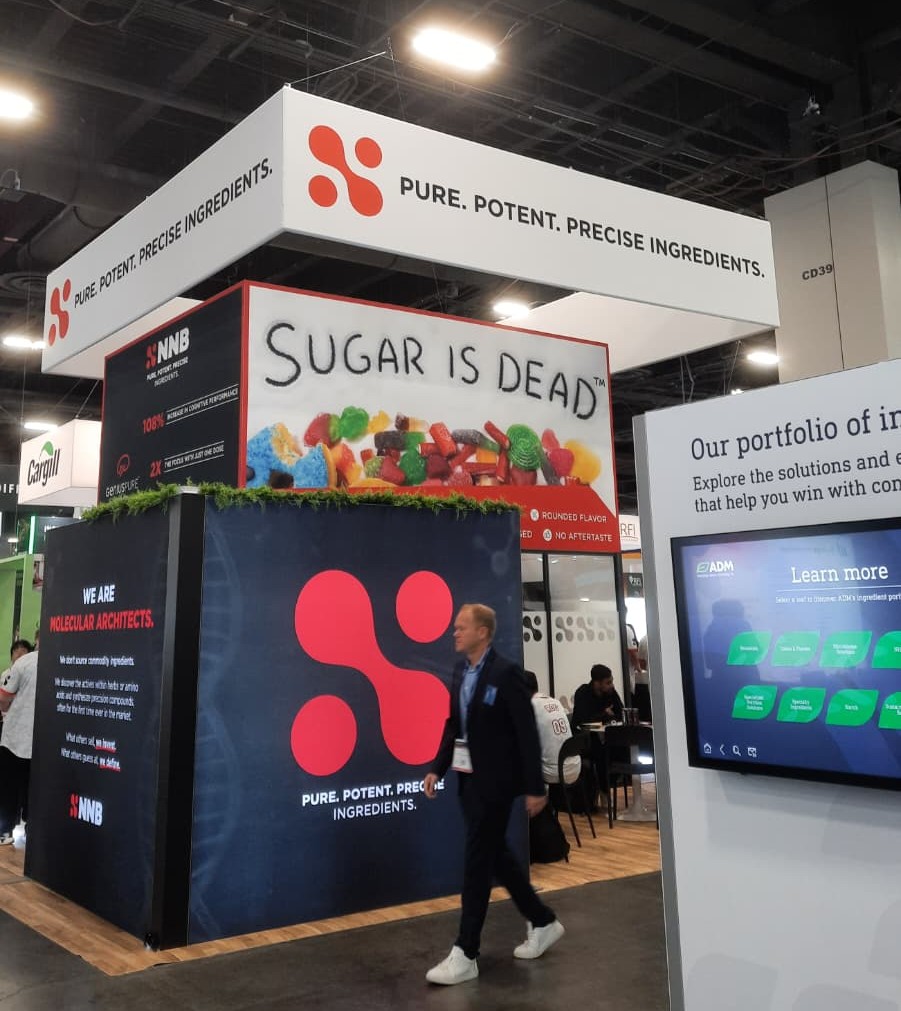
Expo Floor
We walked the floor in third and fourth days.
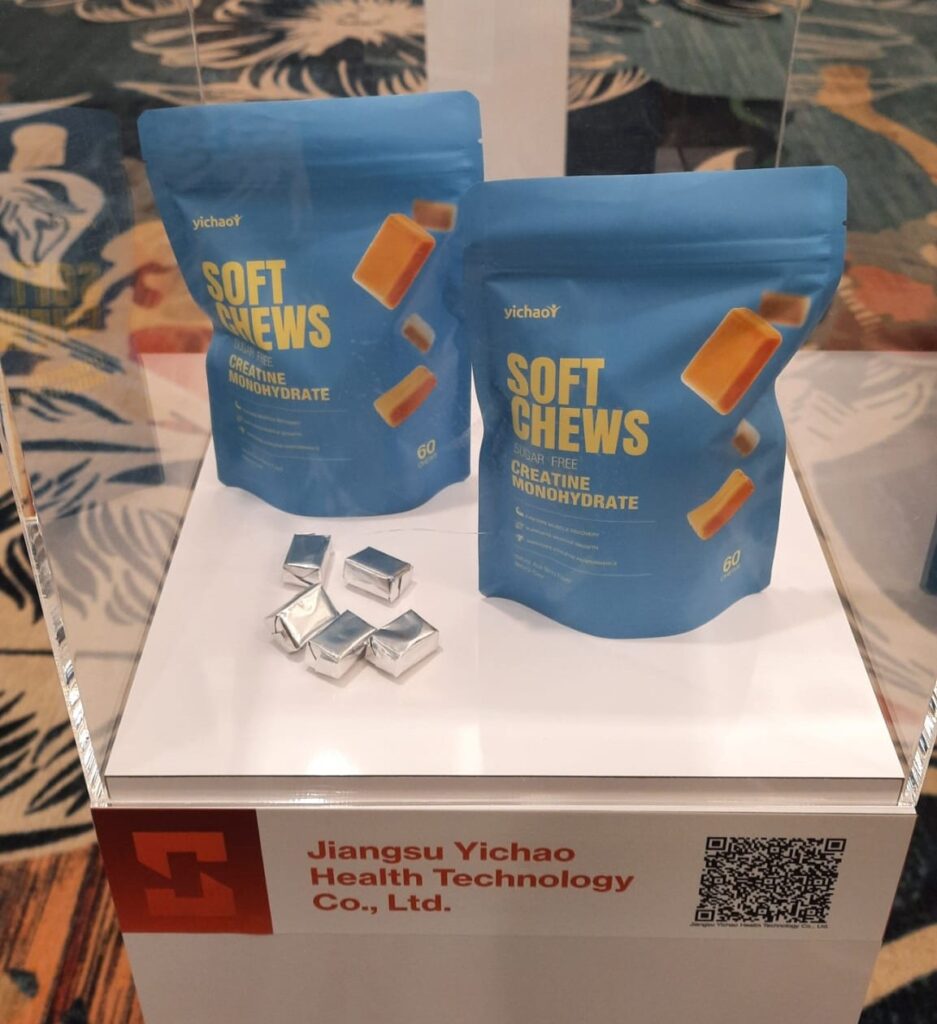
Five categories kept repeating: creatine, probiotics, clear protein, natural colors and fiber.
Creatine was everywhere. Less chest-thumping, more “steady energy, clear head.”
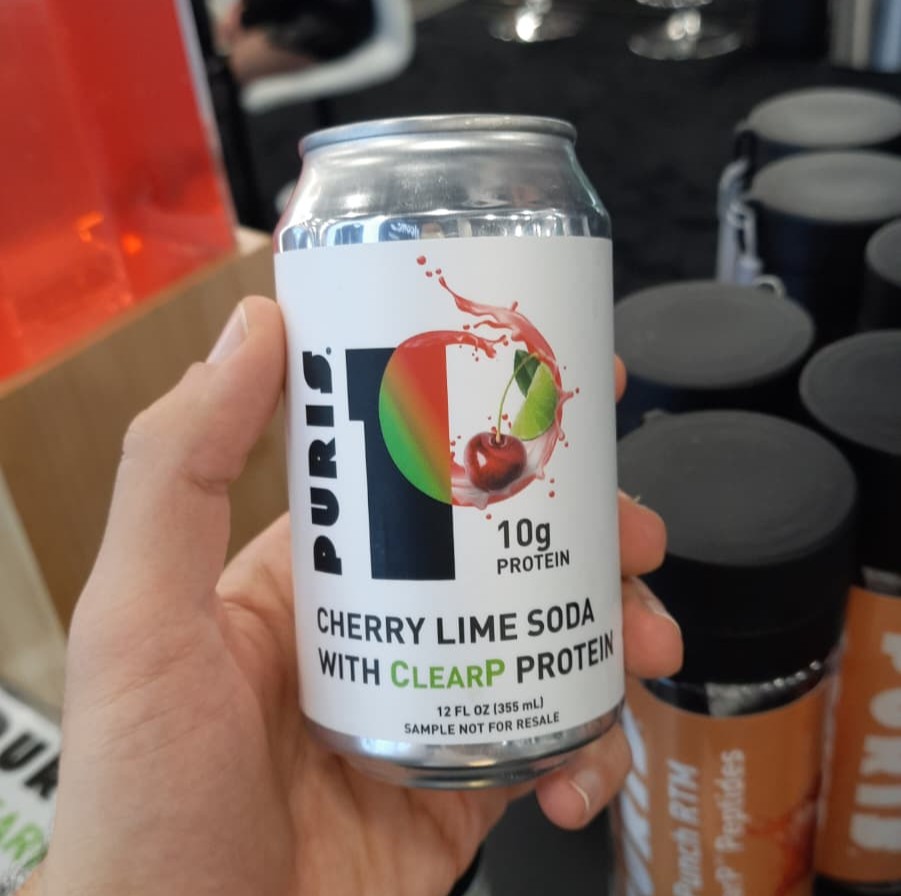
Clear protein kept sneaking up in tasting cups and cans. The brief was obvious once you sipped: bright fruit, crisp finish, no shake fatigue: create new occasions so protein isn’t trapped in gyms. But I know that we are already at peak protein. So nothing can surprise me, except how Puris’ clear pea protein tasted so neutral. It did not have the chalky aftertaste like clear whey has.
Probiotics stopped pretending to be magic and started acting like experience design: make high-protein systems feel better, make GLP-1 routines easier to live with, make aging feel practical instead of abstract. It’s personalization without the sci-fi costume, and it reads as credible because the outcomes are everyday (comfort, regularity, consistency).
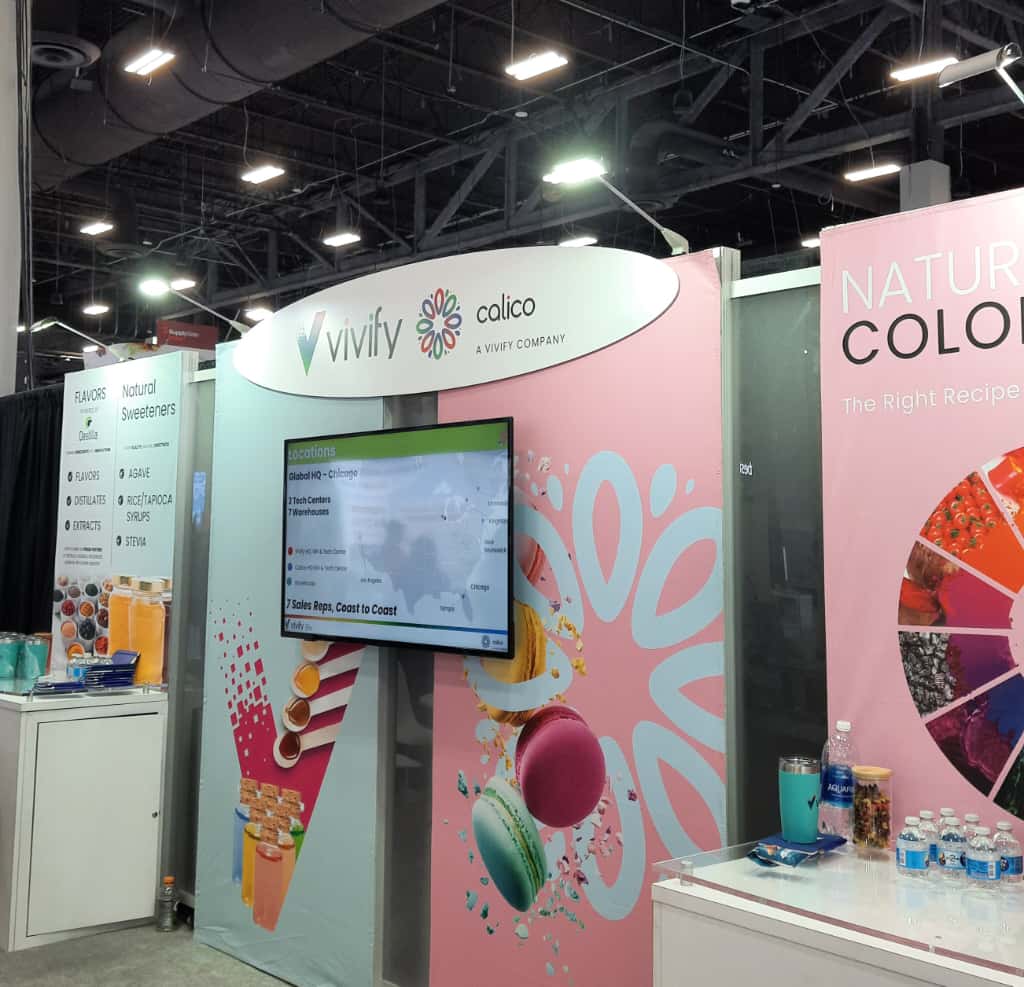
Natural color was the quiet ops story. Even distributors who’ve never touched color were angling in, that’s how broad the shift is.
Consumers want simpler labels and clearer signals, so most of the aisle is already moving; the holdouts are the ones still treating color as a claim and not a system. And it is going to require supply-chain engineering: multisource botanicals, design for lot-to-lot variability, manage shorter shelf life, and tell people, plainly, what will and won’t change. Put differently: treat color like infrastructure and you keep both appetite and trust intact through the transition.
That’s it for this week.
If you’re building something in CPG and need the right supplier or co-manufacturer to make it happen, Chapter Foods can help. We match brands, brokers, distributors and retailers with partners who are ready to move.
And if you’re a manufacturer looking to unlock new business or source higher-quality ingredients, we’re your direct line to the right buyers and better suppliers.
Can Koyuncu, Co-Founder & CMO