This week, we’re talking:
Premium Private Label — Walmart’s bettergoods is quietly redefining value, nearing $500M with a premium-meets-affordable playbook.
Collaboration — Little Spoon and Sauz show that kids’ food doesn’t have to be bland. It can be bold, clever, and still easy.
Setting New Standards in Candy — Why natural dyes and flavors should be table stakes.
Plus, a book recommendation that flips the idea of self-help on its head, reminding us that ambition isn’t always what it seems.
Let’s dive in.
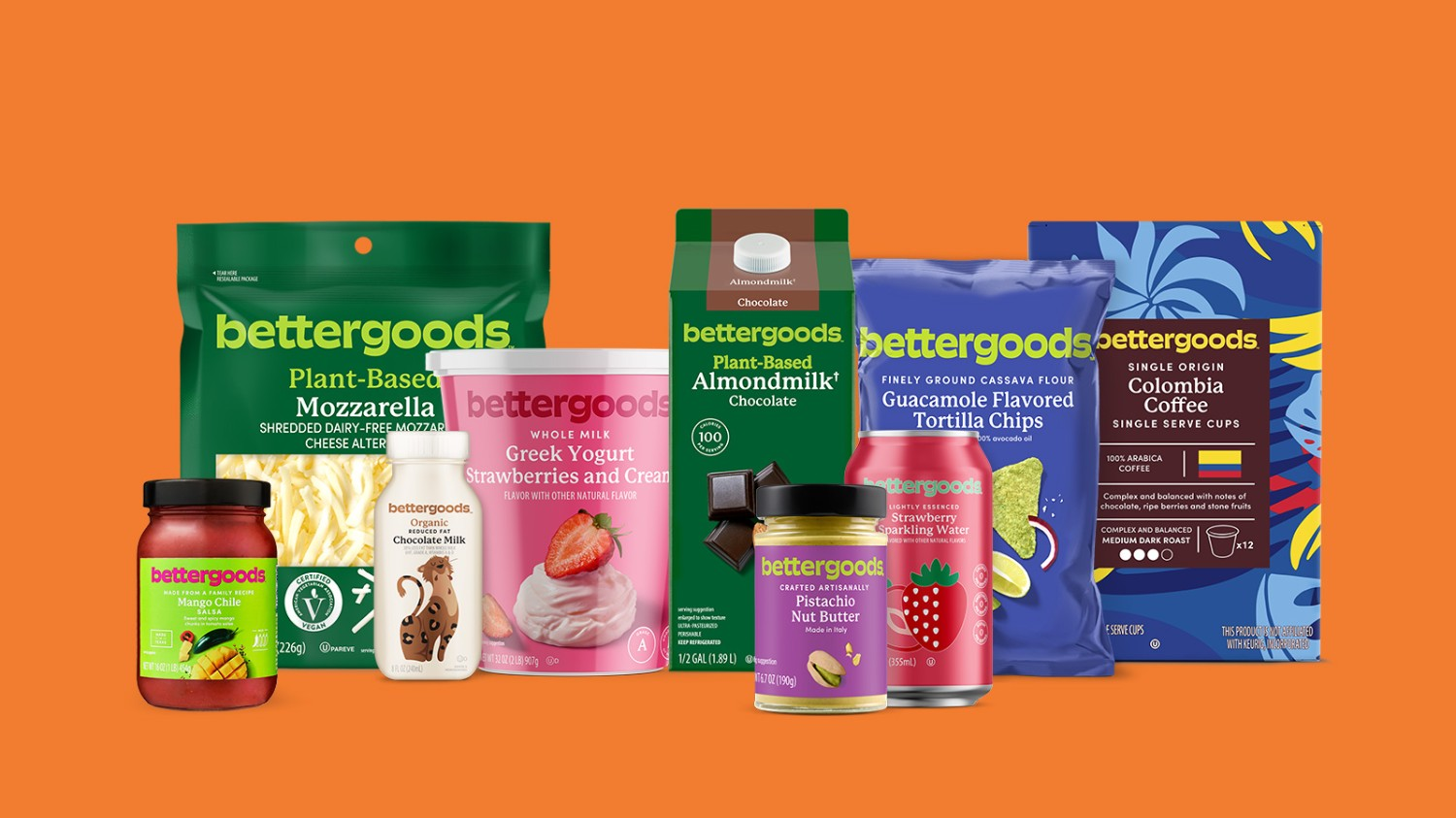
Credit: Walmart Corporate
Walmart’s Bettergoods Nears Half a Billion
Walmart’s Bettergoods brand – launched just over a year ago – is quickly becoming one of the most compelling private label stories in retail. With nearly 400 SKUs across frozen, dairy, snacks, and more, the line is already approaching $500 million in sales.
70% of the assortment is priced under $5. It’s positioned as a step up: (some) chef-inspired, better-for-you and accessibly premium.
And right now 40% of customers are coming back for more, a massive repeat rate.
Part of the brand’s rise comes from how consistent the post-inflation consumer has been. According to Walmart’s CFO, shoppers continue shifting dollars from general merchandise to food, and Bettergoods has been a key beneficiary.
There’s also a logistics piece here. With nearly 40% of Walmart’s express deliveries now happening in under three hours, and customers willing to pay for that speed, the groundwork is in place for Bettergoods to function more like a digitally native brand than your typical store brand.
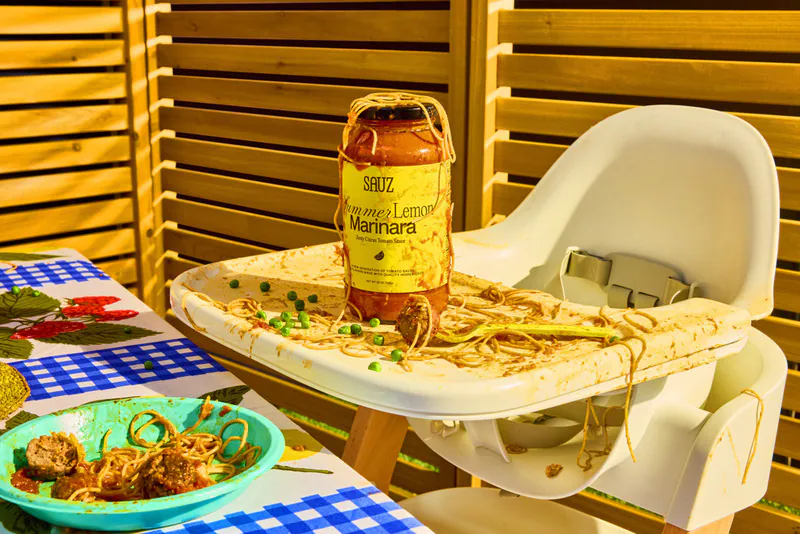
Credit: Sauz & Little Spoon
Lost in the Sauz: A Collab for Kids, Parents, and Pasta Night
Little Spoon and Sauz just dropped a limited-edition collab, and it might be the best thing to hit the kids’ aisle this summer.
Called Lost in the Sauz, it features two Italian-inspired dishes: Spaghetti & Meatballs and Chicken Parm, made specifically for little hands (and chaotic evenings). Think Sauz’s Summer Lemon Marinara meets Little Spoon’s signature style–real ingredients, zero added sugar, protein-packed, and zero prep needed.
This marks Sauz’s entry into kids’ meals, a clever step for a brand that’s already won over adults with flavors like Brown Butter Alfredo and Hot Honey Marinara. For Little Spoon, it’s one more stride toward becoming the go-to brand for modern families, now approaching 70 million meals delivered.
I’d love to see more brands take notes from Sauz’s approach. Flavor-first, adult-loved products, creatively reworked for categories that have gotten a bit dull. There’s white space everywhere, if you plate it right. That’s also how they raised their newest round: $12M.
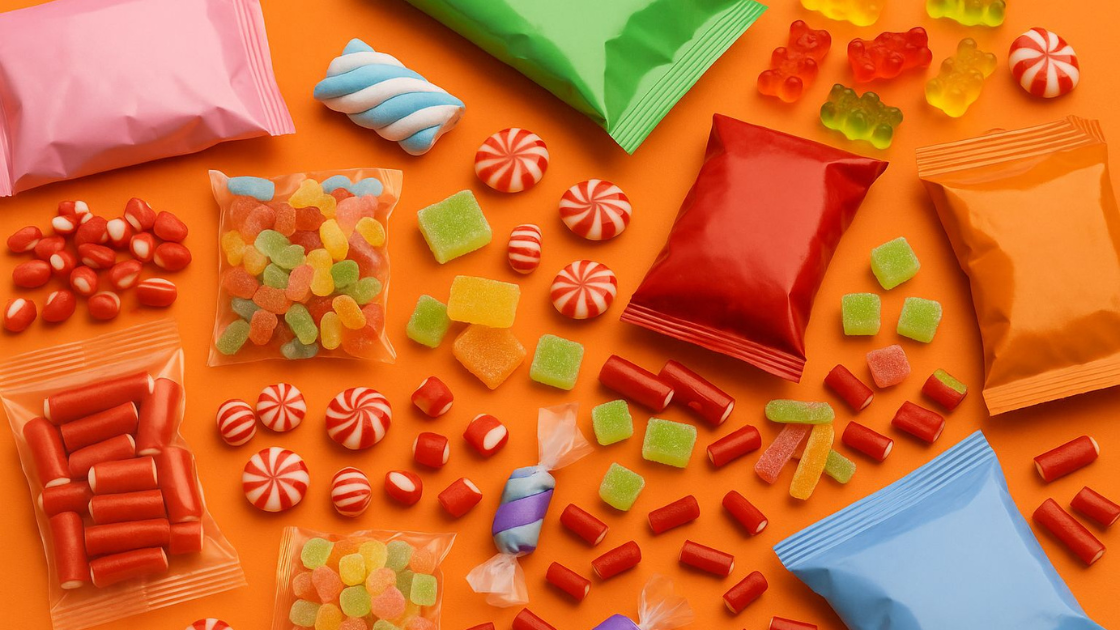
“Naturally Dyed” Should be Table Stakes Already
Over the past few months, we’ve been working with some of our confectionery manufacturing partners to bring naturally colored and flavored gummies to life. But what looked simple on paper took a few left turns in practice.
Some colors faded after a few months. Certain fruit flavors diminished after a few weeks. We ended up reformulating a few SKUs multiple times before they were truly retail-ready. The shelf-life, sensory, and stability balancing act is very real – especially in a category like candy, where vibrant color and bold taste is the product.
And it’s not just us. You could feel this tension playing out across the floor at this year’s Sweets & Snacks Expo. While emerging players were showcasing naturally derived ingredients and dialing down the sugar, many of the legacy brands didn’t seem fazed. One of them even confirmed just weeks ago that they’re doubling down on artificial dyes and not backing off.
I get it. Candy is indulgence by design. It’s not a nutritional staple. It doesn’t claim to be. But we still eat it. A lot. Sometimes every day. Which means the bar for natural colors and flavors shouldn’t be novelty, it should be table stakes.
The FDA and Health & Human Services have already signaled a shift, with calls to remove artificial dyes from food products by 2027. It’s not a formal ban (yet), but it’s a clear ask: reformulate or risk falling behind.
It won’t be an easy transition. Reformulating candy is a complete sensory and supply chain overhaul. But the opportunity is here, and the direction is obvious.
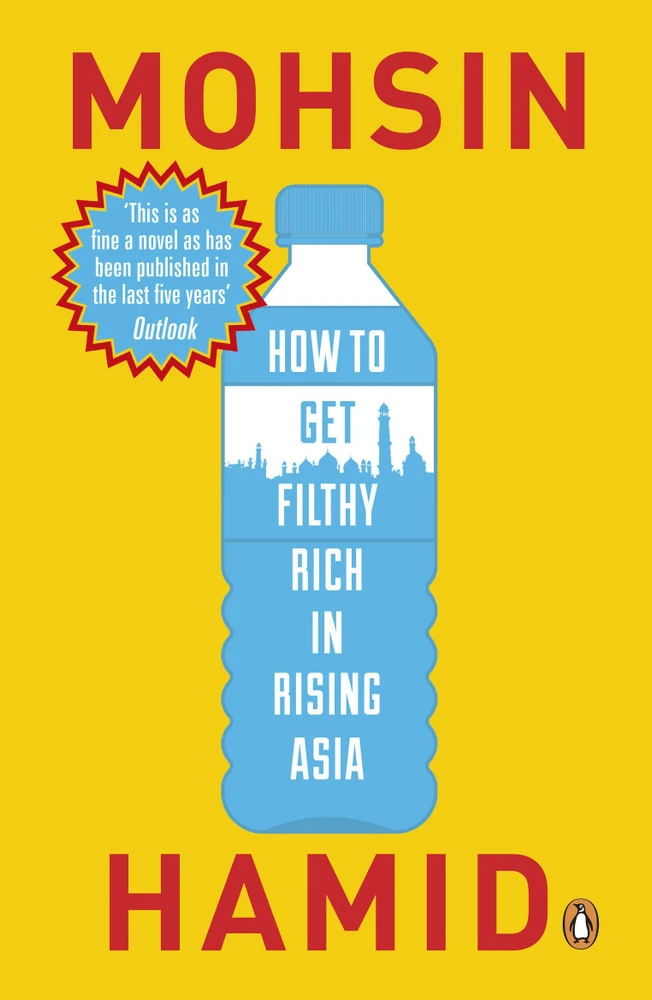
Credit: Penguin Books
Book of the Week: How to Get Filthy Rich in Rising Asia
This might be the fastest book I’ve ever read in my life for the last 5 years.
Mohsin Hamid’s How to Get Filthy Rich in Rising Asia is one of those rare books that tricks you into thinking it’s about one thing: getting rich. And ends up being about everything else.
It poses as a self-help book. But underneath the clever structure is a quiet, devastating story about time, ambition, love, and loss. The second-person narration makes the story strangely intimate, so you become the main character itself.
There’s not a wasted word. The writing is sharp and fast. Hamid says big things without sounding like he’s trying to.
That’s it for this week.
If you’re looking for the right co-manufacturer or supplier to help you build what’s next, Chapter Foods is here. We connect brands and retailers with the right partners: fast, reliable, and ready.
Note: We now serve in beauty and supplement categories as well.
Can Koyuncu, Co-Founder & CMO